Latest developments in AI, microservices, and software development.
7 articles published
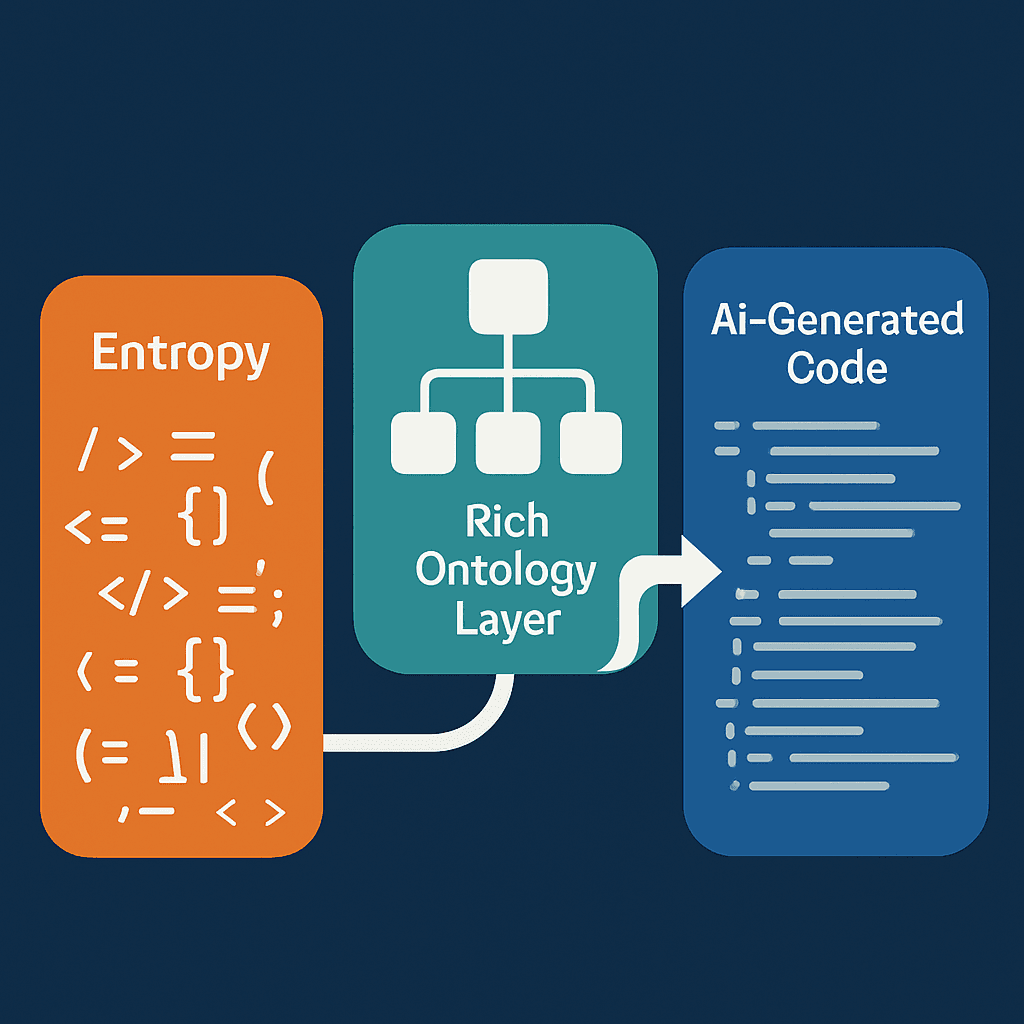

The rapid progress in AI-based code generation has opened the door to exciting possibilities for software development. From automatically scaffolding boilerplate code to generating entire application modules, AI promises to significantly accelerate the way teams build, maintain, and scale digital systems. However, despite its potential, current AI-powered code generation methodologies face substantial challenges that prevent them from delivering truly reliable and production-ready codebases.

While there are no strict rules governing a microservice, adhering to the following 12 best practices in a microservice architecture will ensure that our software is reliable, sustainable, and scalable.

Advanced Techniques for Querying Associated Tables with Where Clauses and Solving a Known Issue

Elevating Command and Query Management in Microservices

In microservices architectures, user authentication and authorization play pivotal roles, often leveraging a range of technologies. This article focuses on a best practice model grounded in JWT (JSON Web Token) based architecture, a prevalent choice for user authentication in modern systems.


Creating a seamless, non-blocking, performant, and error-free medium for communication and data sharing between microservices is a task that demands both technical acumen and strategic foresight.

" There are only two hard things in Computer Science: cache invalidation and naming things. " -Phil Karlton
